
Garden Truck Foods at the Future of Protein Production Chicago
Serving slices, starting conversations, and proving this thing actually works
The Future of Protein Production Chicago brings together a very specific kind of crowd. People building things. People funding things. People trying to figure out how to move from promising ideas to something that can actually hold up in the real world.
It’s not a passive event. You don’t just walk around collecting samples and tote bags. You listen, you question, you compare notes. You try to understand what’s real, what’s close, and what’s still a few years (or a few million dollars) away.
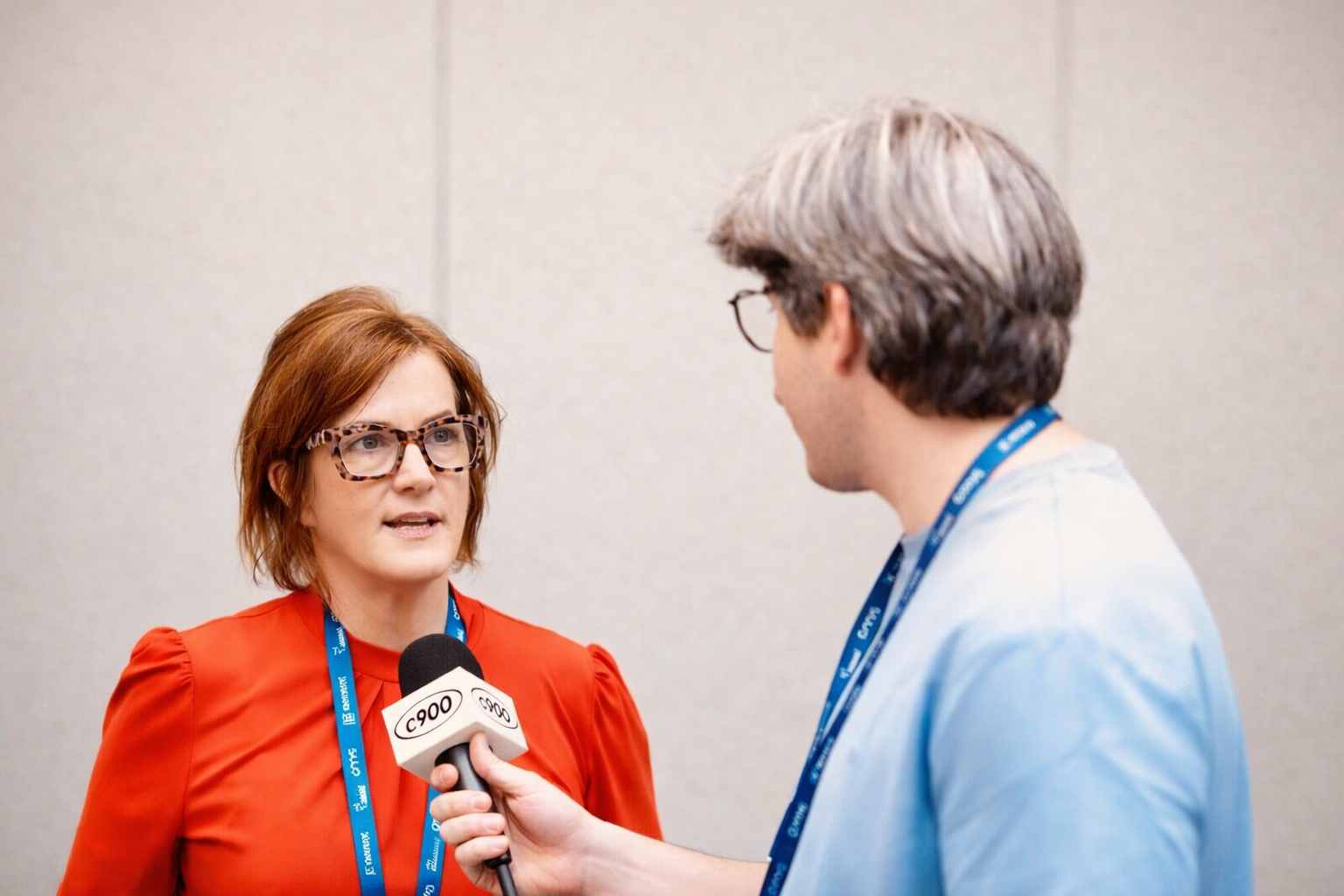
This year, the conversations kept circling the same core tension: how do you take something conceptually exciting and turn it into something operationally viable?
Not just can it be made… but can it be made consistently, at scale, and in a way that people trust, understand, and actually want to eat?
More Than a Booth — A Working Proof Point
We came to Chicago with a simple approach: say less, serve more. Over the course of the event, we handed out more than 1,000 slices of our artisanal red bean pepperoni. Not framed as a concept or positioned as a future idea, but as food. Something people could taste, react to, and decide on for themselves.
There’s a noticeable shift that happens when someone leads with a bite instead of a question. The conversation skips a step. Instead of asking what something is trying to be, people start asking how it works, where it could go, and why it holds together the way it does. The reaction becomes more immediate, and the discussion becomes more specific. It moves from curiosity to evaluation, which is exactly where we want it.
Because ultimately, that’s the test. Not whether something is interesting, but whether it performs, on the plate, in a kitchen, and in the hands of people who don’t have time to decode it!
On Stage: From Idea to “Yes, But Can It Scale?”
Our co-founder and chef, Gail Patak, took the stage to share how Garden Truck Foods has approached that question from the beginning. Her talk focused less on novelty and more on the discipline behind building something that lasts; how simplicity becomes an advantage, how process gets refined over time, and how consistency becomes the real benchmark.
Check out the slide deck we put together for the GTF presentation —> here!
What came through clearly is that scaling food isn’t just about increasing output. It’s about maintaining integrity across environments you don’t control, with variables you can’t always predict. It’s about creating something that behaves the same way whether it’s in a test kitchen or a busy service. That kind of reliability doesn’t happen by accident. It’s built, tested, and earned over time.
The Real Win: The People
What stood out most to us during our time in Chicago wasn’t just the volume of people we met. It was who those people were, and how genuinely curious they were. We met a mix of tech entrepreneurs, investors, operators, and senior leaders from across the food and manufacturing space, alongside people simply excited about plant-based food and where it’s heading.
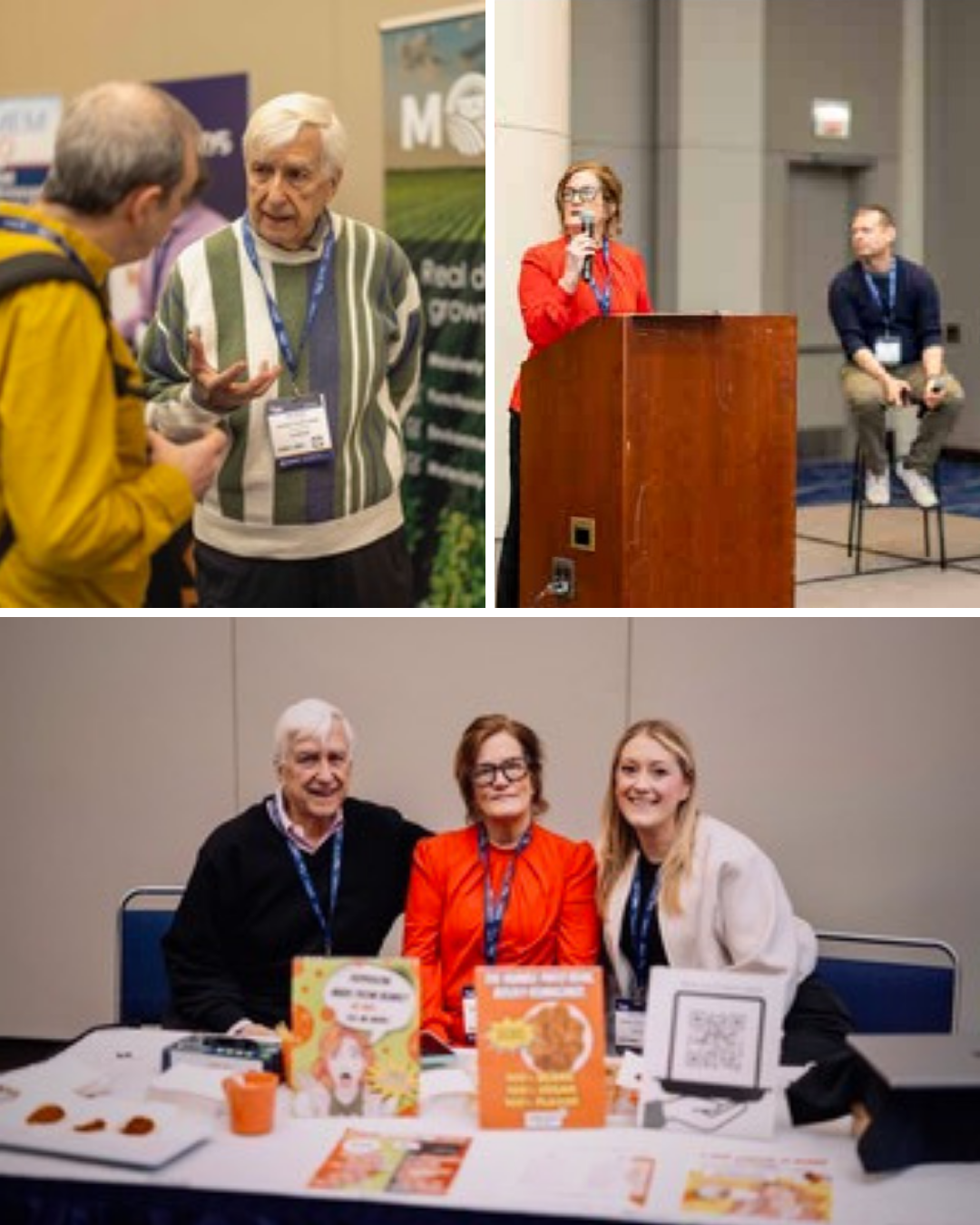
And the conversations went beyond the usual surface-level “this is interesting.” People leaned in. They wanted to understand how we got here, what it took to develop the product, what we learned over years of R&D, what worked, what didn’t, and how it actually holds up outside of a controlled environment. There was real interest in the process behind it, not just the outcome.
That level of engagement changes the dynamic. It’s no longer about introducing an idea. It’s about pressure-testing something that already exists. The questions become sharper, more practical, and ultimately more useful. Where does this scale? How does it behave in different settings? What happens when you push it?
Those are the conversations that move things forward. They reflect a space that’s maturing quickly — where curiosity is still there, but it’s paired with higher expectations and a clearer understanding of what it takes to make something work in the real world.
Where This Is All Going
Spending a few days at that event, one thing became pretty clear: the conversation is shifting… quietly, but decisively.
It’s not just about alternative anymore. It’s about whether something can stand on its own. Whether it performs in a kitchen, fits into existing workflows, and earns a place on a menu without needing a long explanation attached to it.
There’s still plenty of innovation in the space, but the bar is getting higher. People are looking past novelty and asking tougher questions about consistency, scalability, and repeatability. Not “is this interesting?” but “does this actually work, and will it still work six months from now?” (answer: Yes!)
That shift is a good thing. It means the focus is moving toward products that can hold up under real-world conditions; products that don’t just get attention, but get reordered.
That’s the direction we’ve been building toward from the start. As we continue to expand what we’re doing with our pepperoni, we’re also working on something new behind the scenes… something designed to make it even easier to use, cook with, and build around in real-world settings.
More on that soon!